Restoration
A short history of the restoration of Fairfax House
Entrance Hall
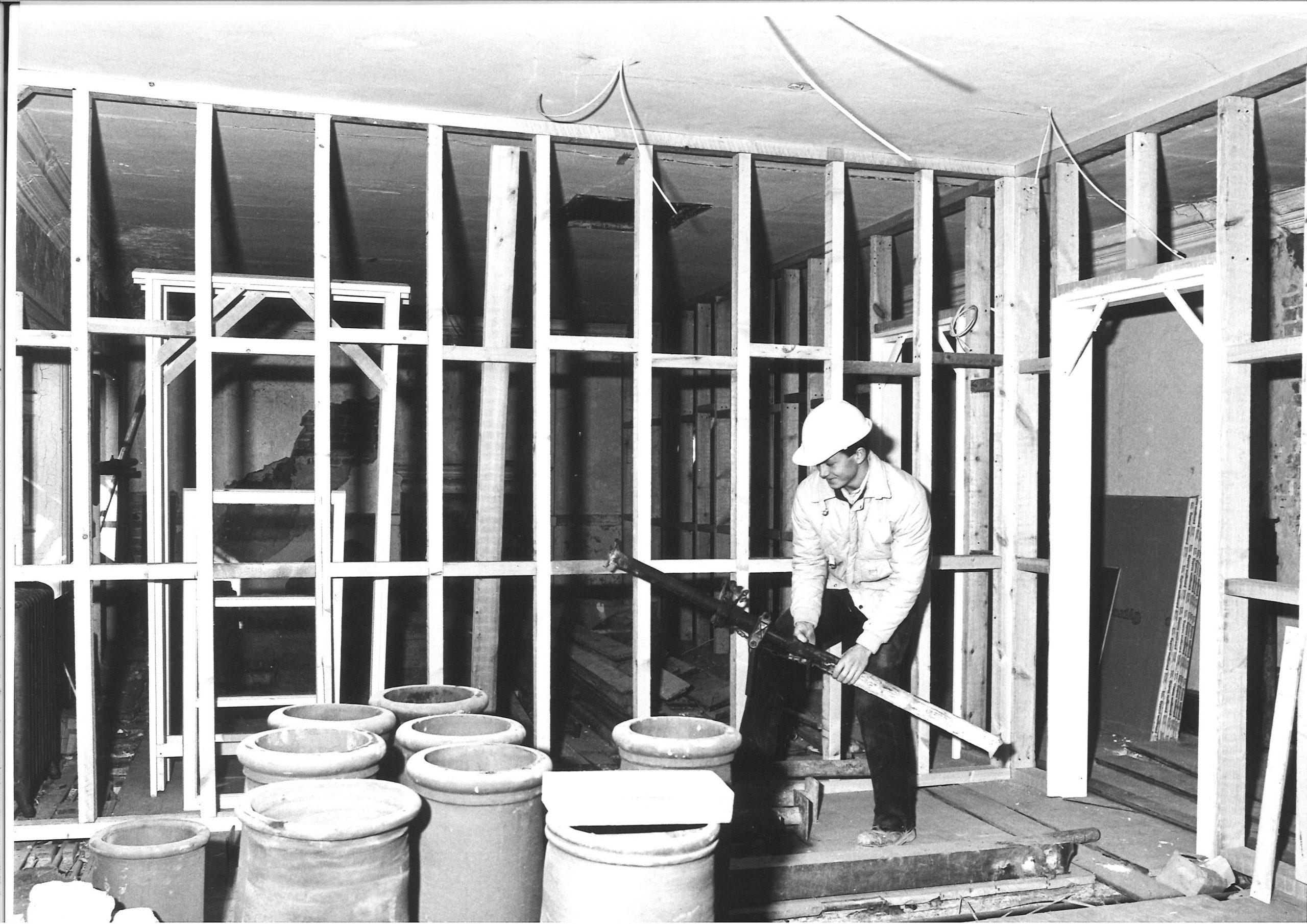
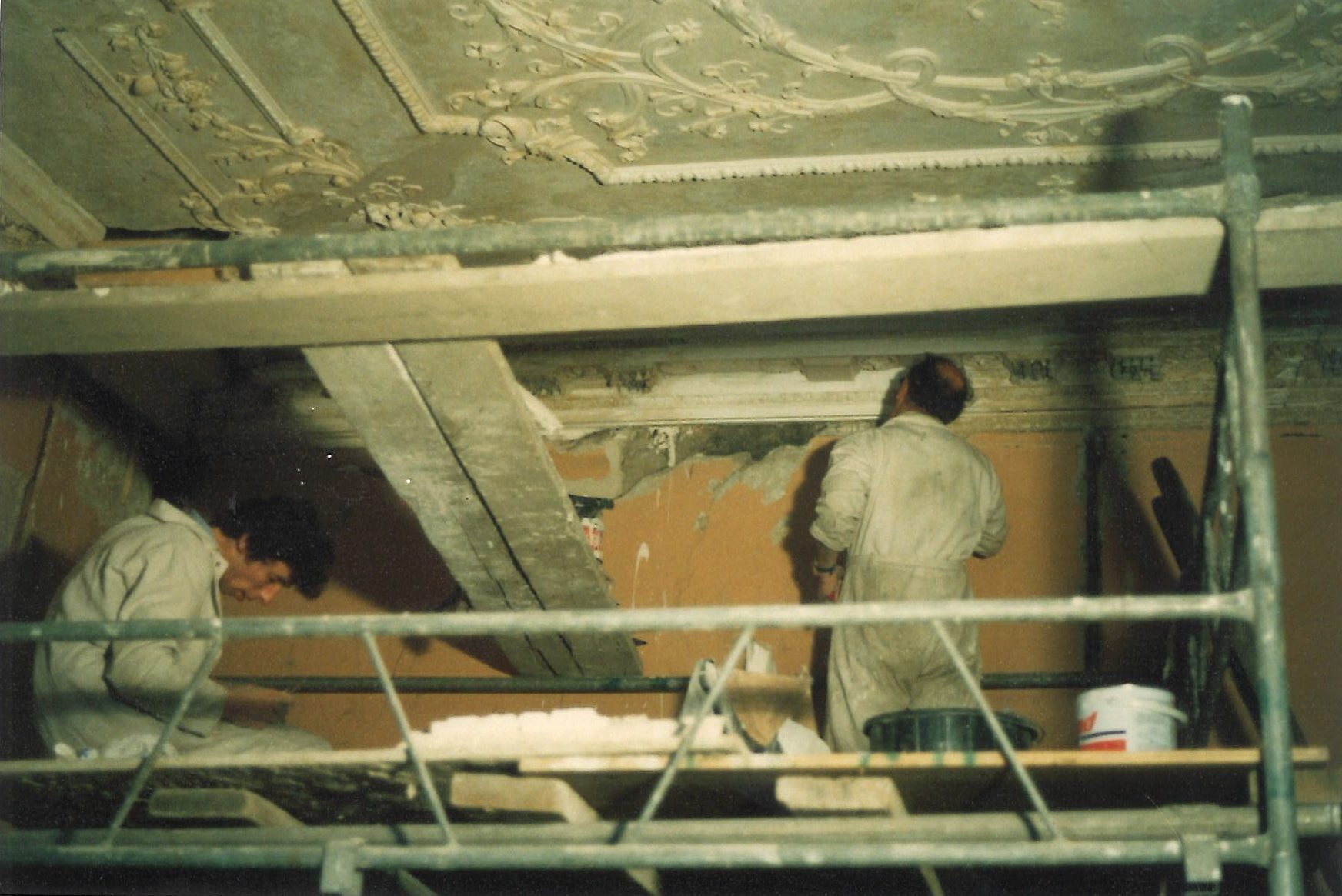
Although the floor had been removed, the original dado and skirting board had survived
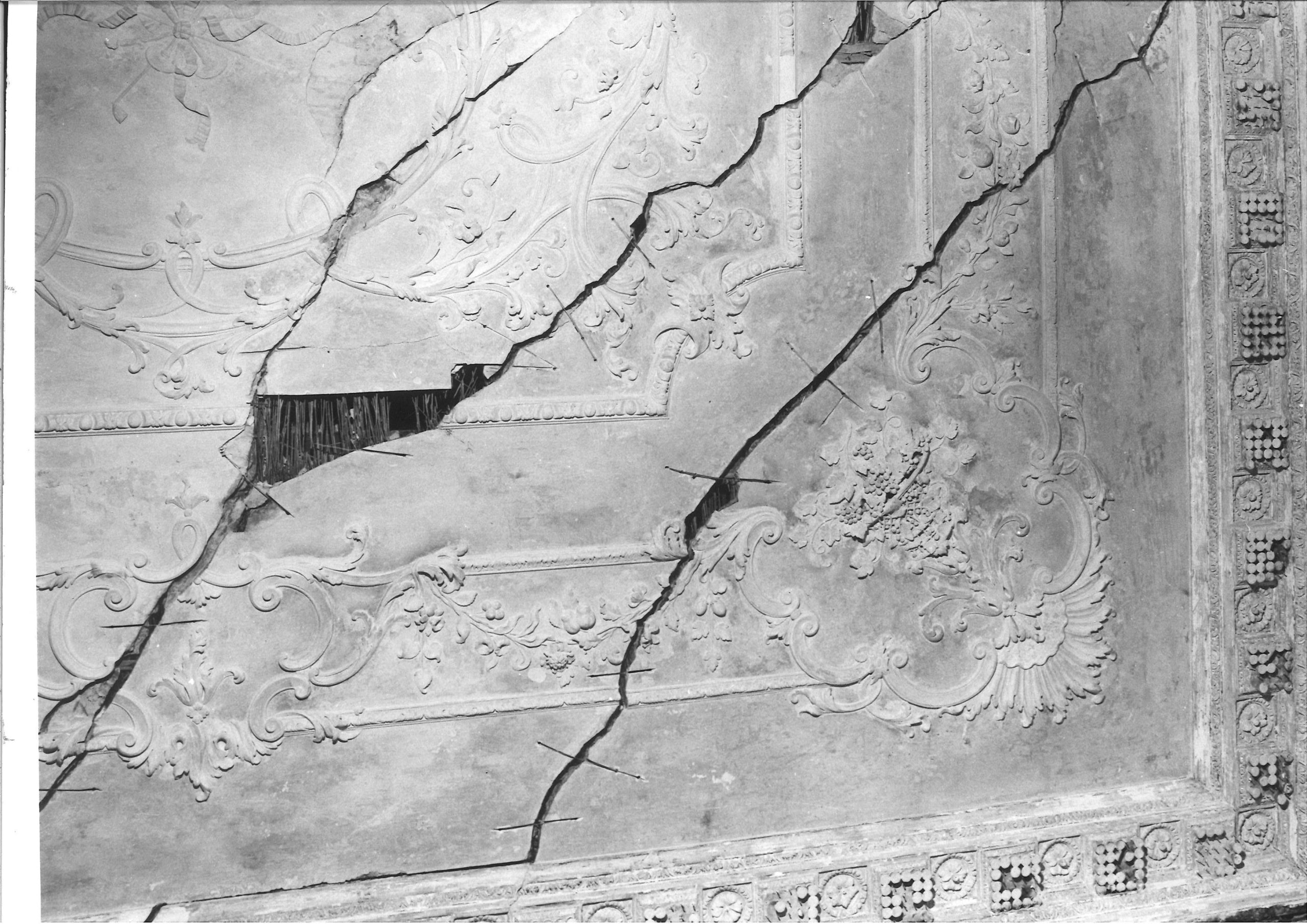
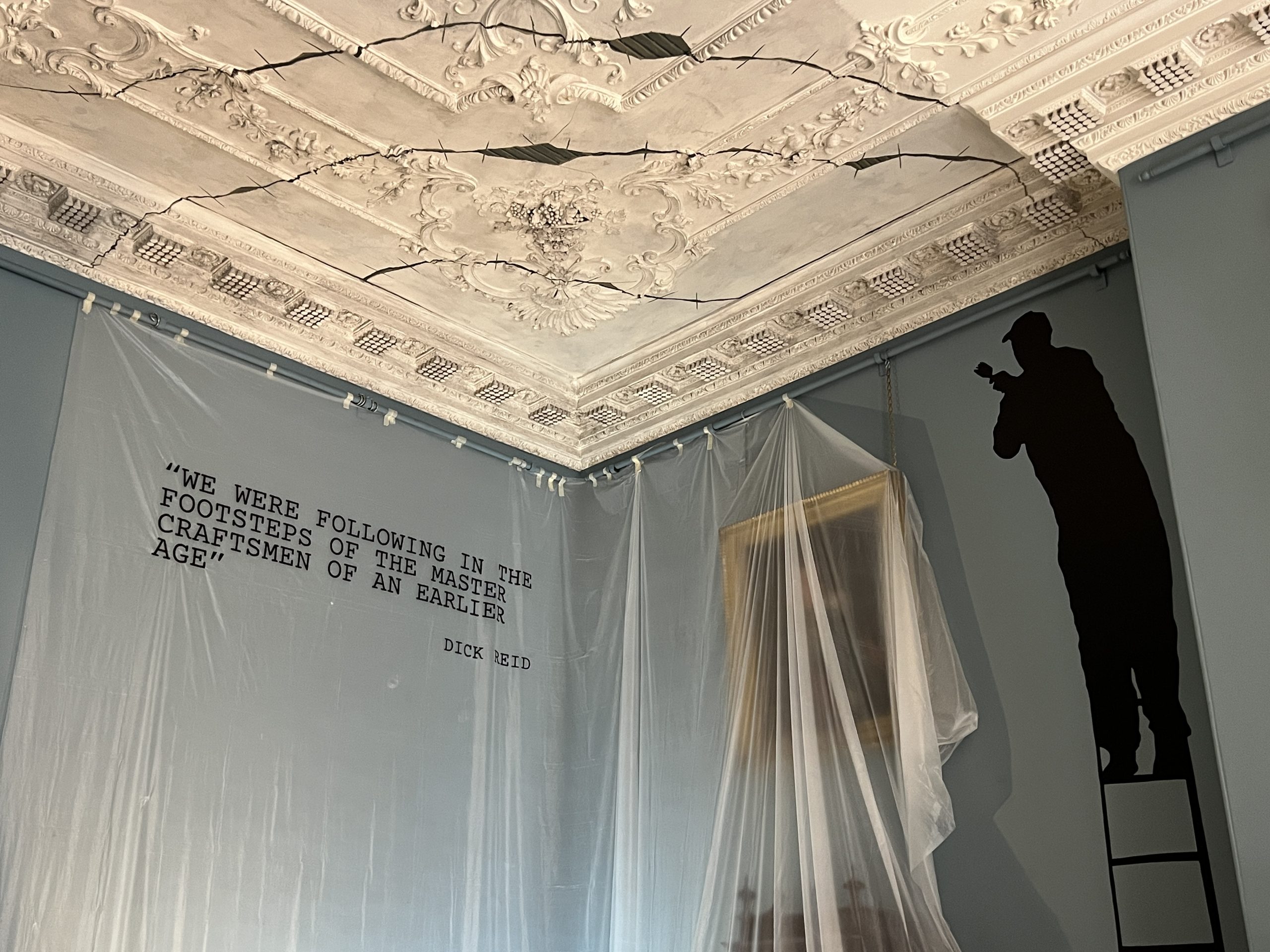
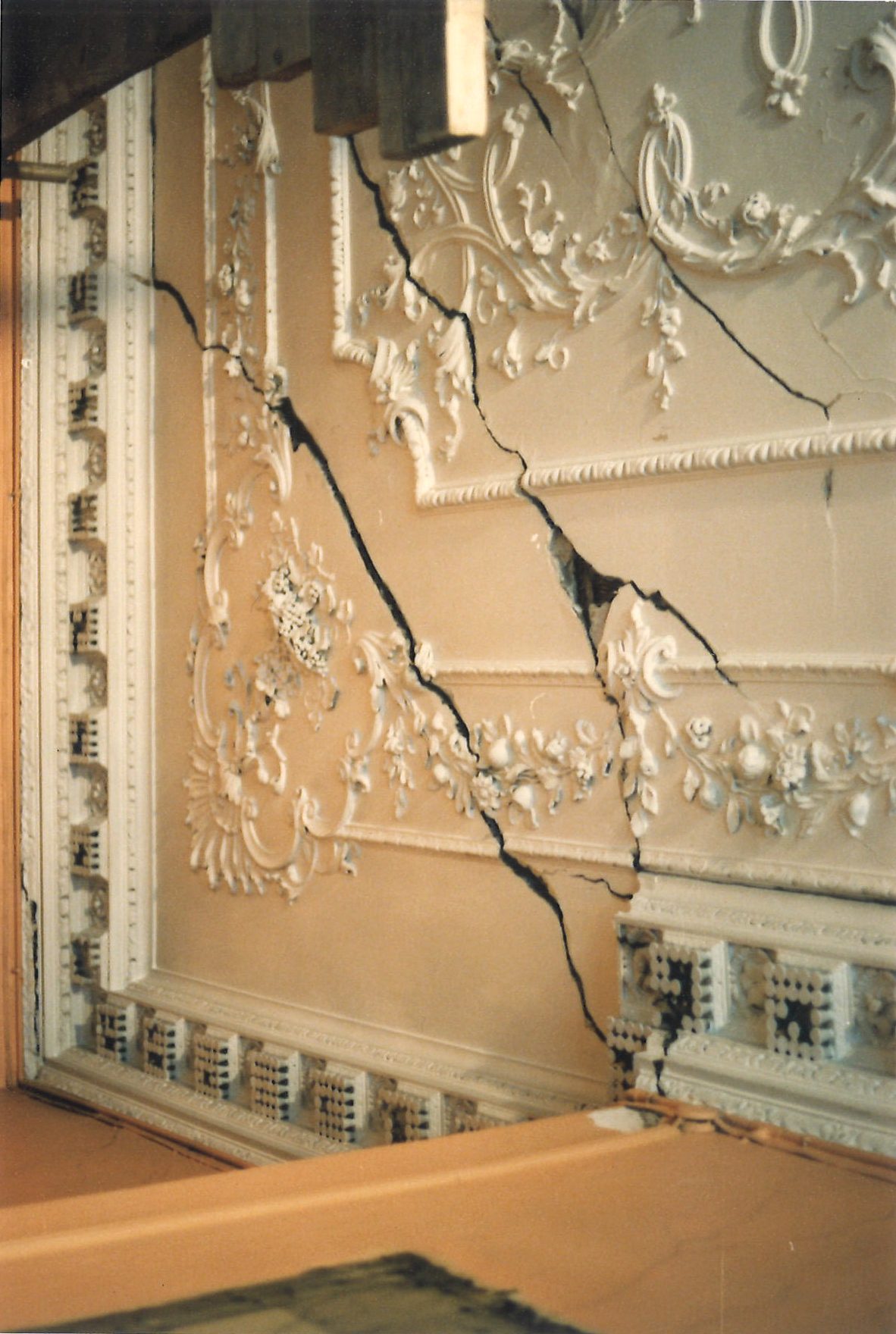
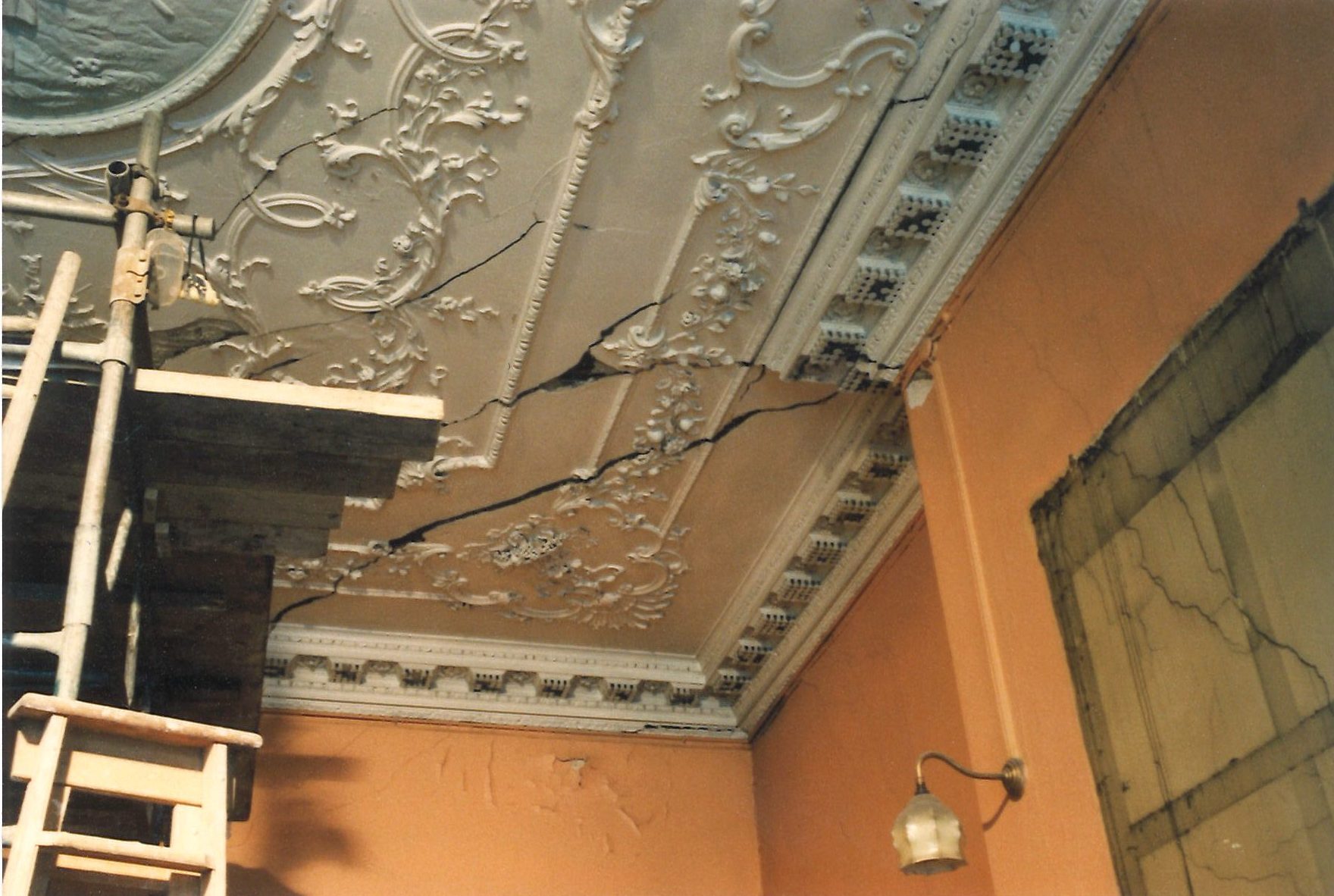
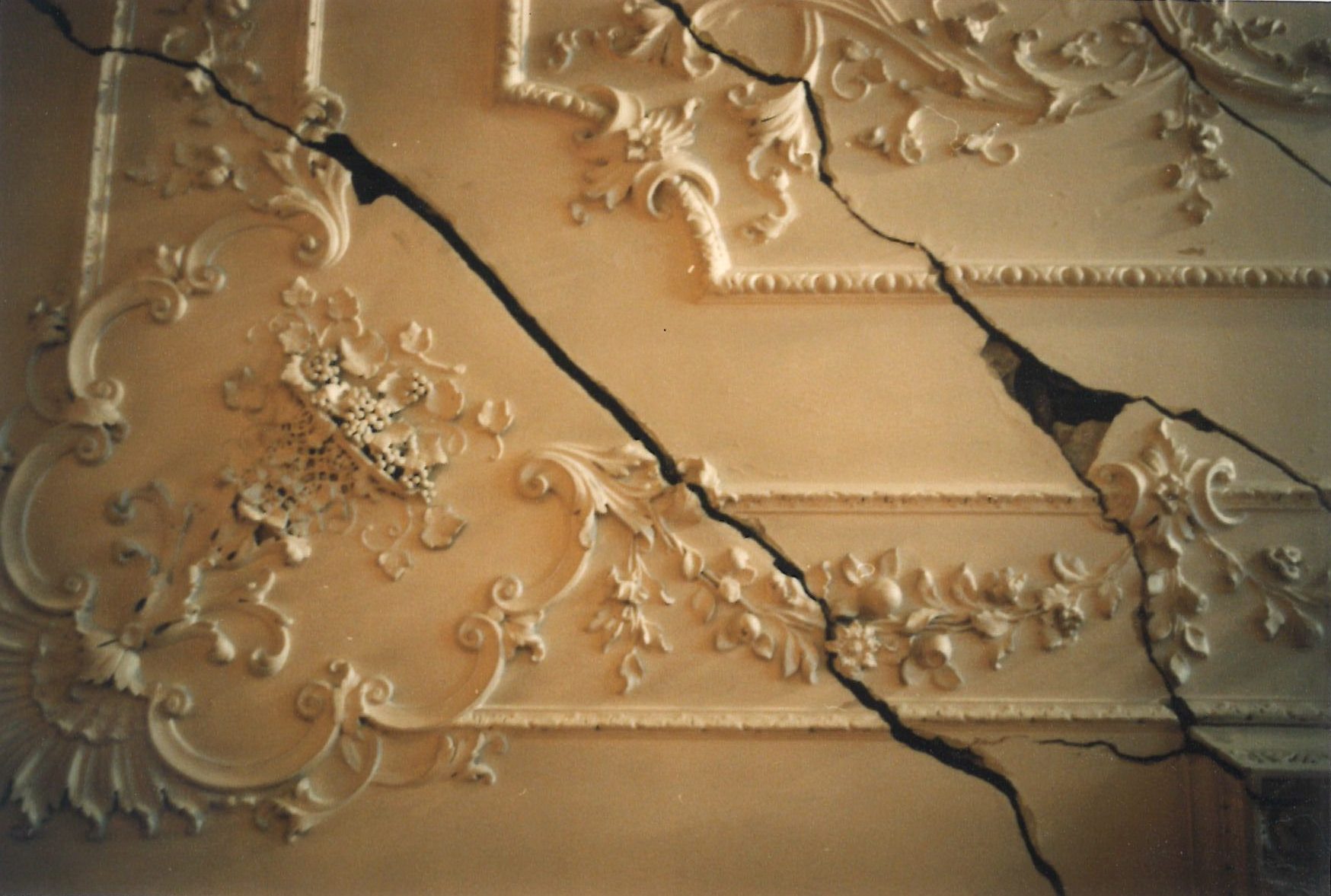
Damage done to the stucco in the Dining Room caused by leaks from the gents toilets above
In 1865 Fairfax House ceased to be a private residence and was used as a gentlemen’s club and Friendly Society. By 1919, however, a scheme was proposed to convert the building and the adjoining house into the adjunct for a cinema and, on the first floor, to knock through to make a dancehall.
Dr. Evelyn, an early York conservationist and recorder of York’s heritage, wrote to the cinema company asking them to ‘please take care of the interiors’ and, on the whole, they responded to the challenge. They boxed in, rather than stripped out, and painted over the ceiling and woodwork in dark gloss paint. In a curious way, this helped to protect the decorative details from damage.
St. George’s Hall, as it became known, was part of a thriving movement of popular entertainment in York in the 1920s and, by 1925, they were proudly advertising as ‘the largest, most comfortable and most up-to-date in York’.
Four decades on and the cinema company was in financial trouble and eventually was able to sell the building to the City Council. The dancehall on the first floor, however, was still in operation until 1980, and continued to play host to many of the famous and nearly famous.
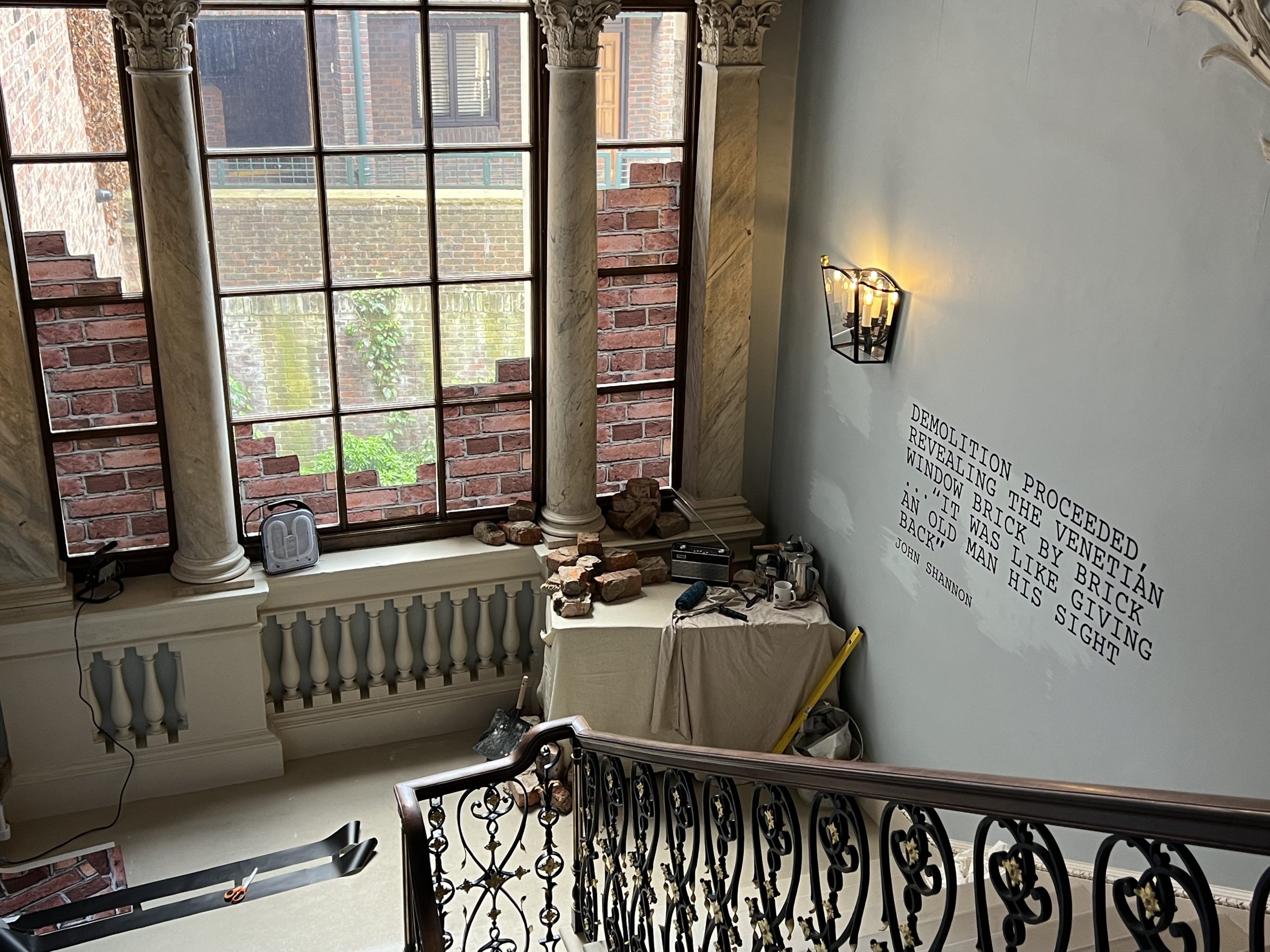
In 1980 the then Chairman of the York Civic Trust, John Shannon, wrote to the City Council asking if the Trust might take on the restoration of the building. A successful track-record of restoring other historic buildings proved decisive, although the process of acquisition was not without its problems.
The gift of the Noel Terry collection of English furniture and clocks was also crucial to the success of the project, as was the appointment of the Bridlington architect Francis Johnson.
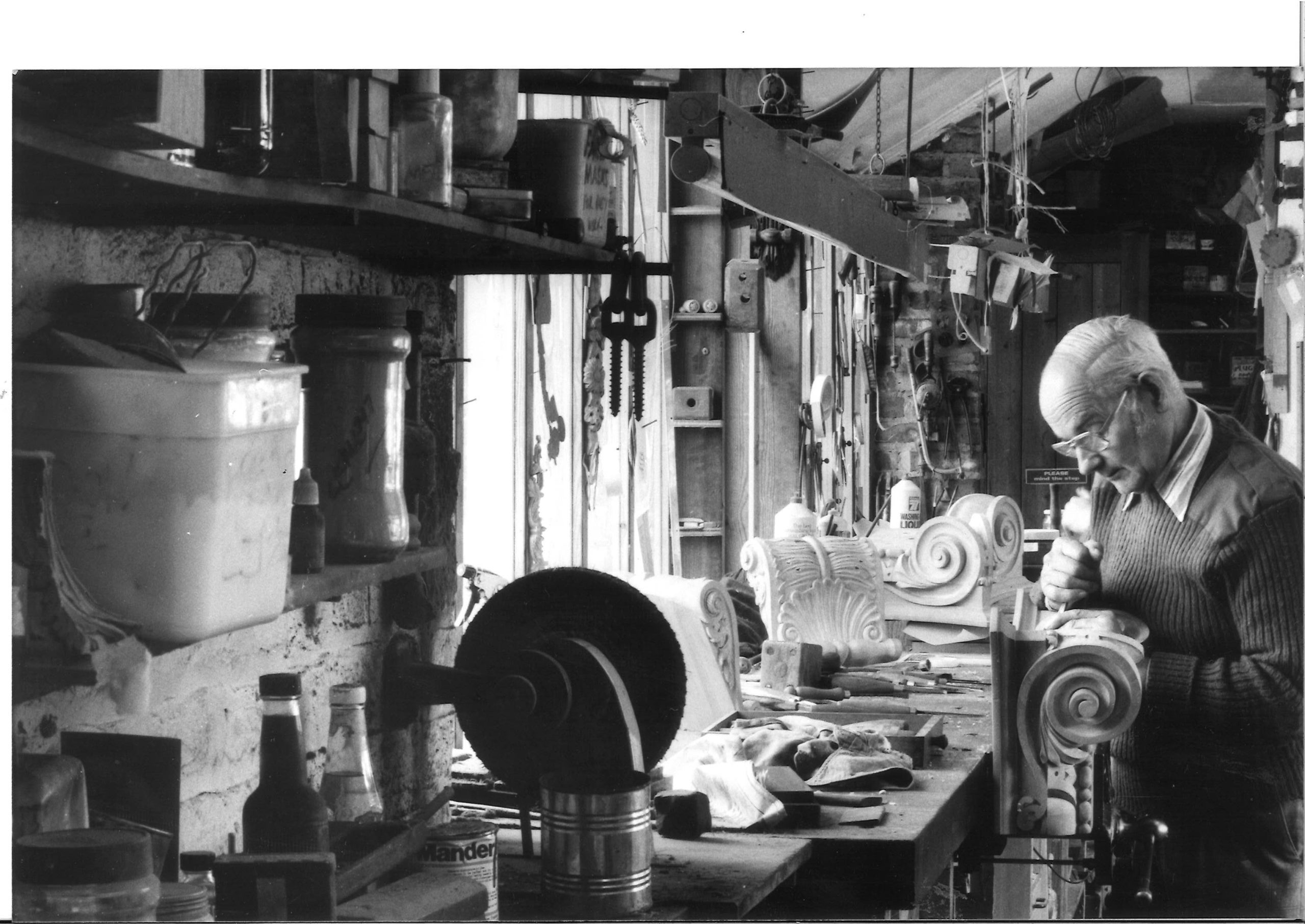
The York firm of William Birch & Son were the main contractors, with joinery by Hare & Ransome, decoration by Bellerbys Ltd, leadwork and stonework by W.M. Anelay Ltd., roofing by Joseph Hargraves, carved woodwork by Dick Reid, stucco repair by Leonard Stead & Son Ltd., and wrought iron by Mooorside Wrought Iron of Kirbymoorside.
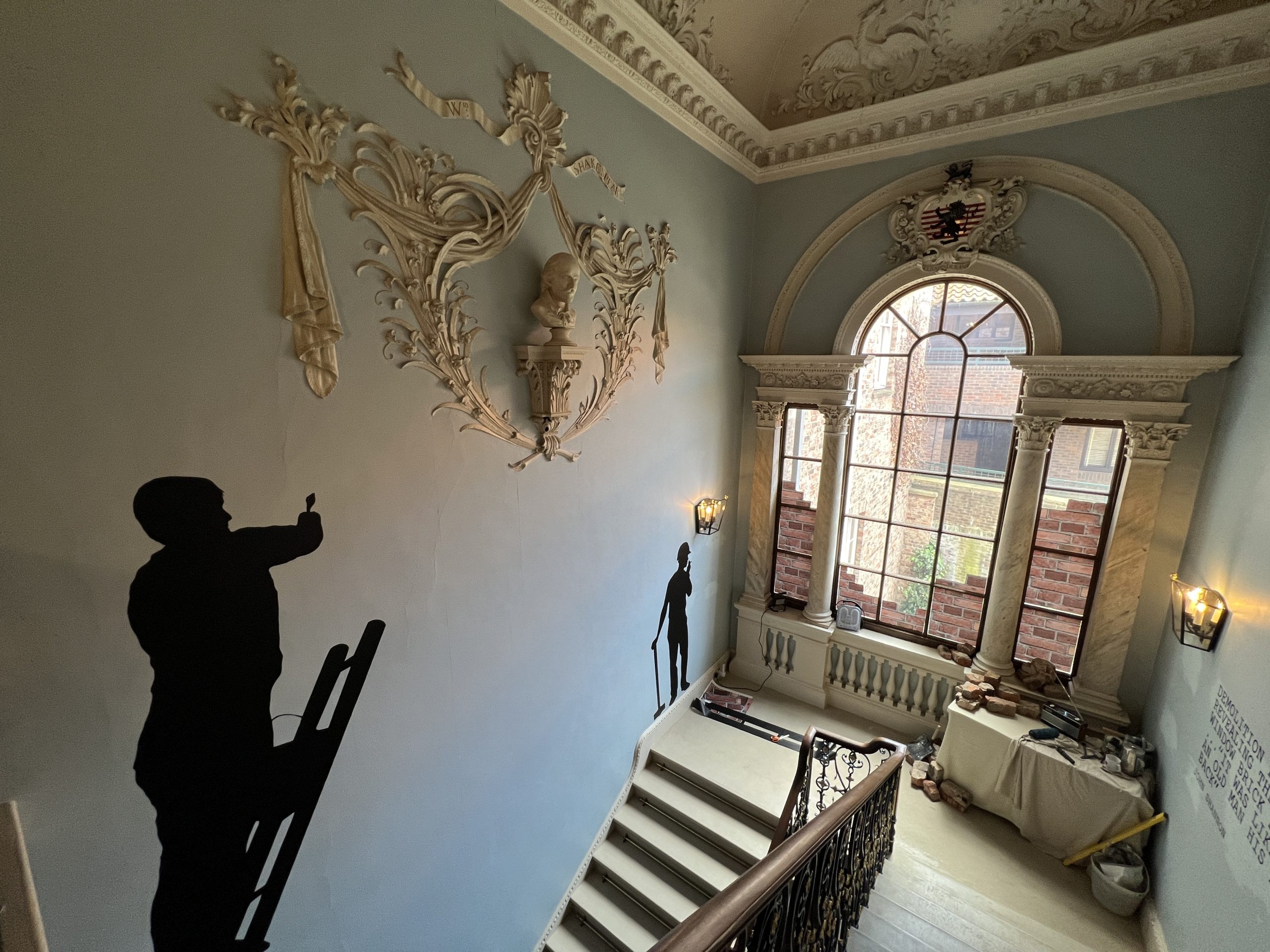
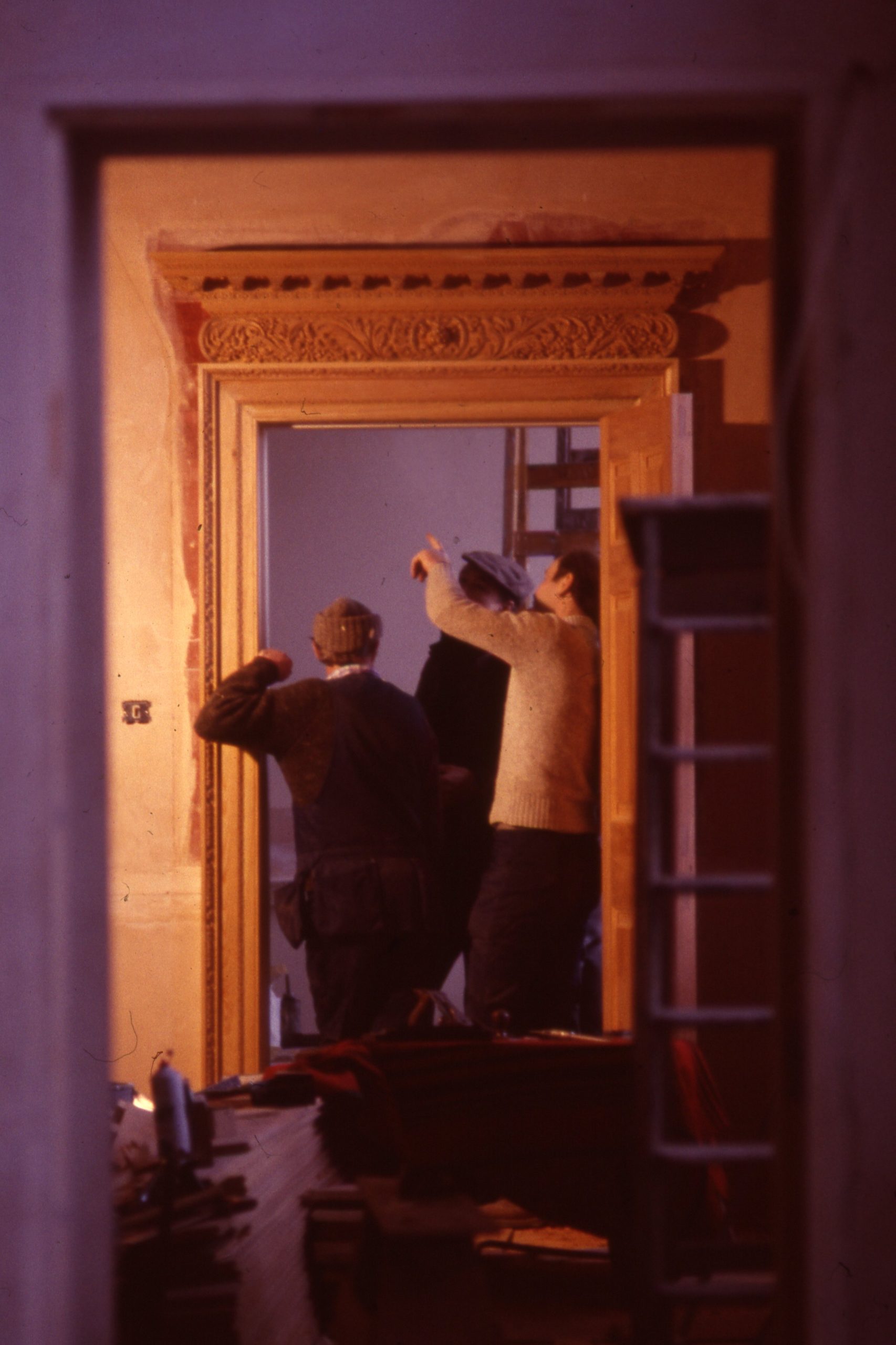
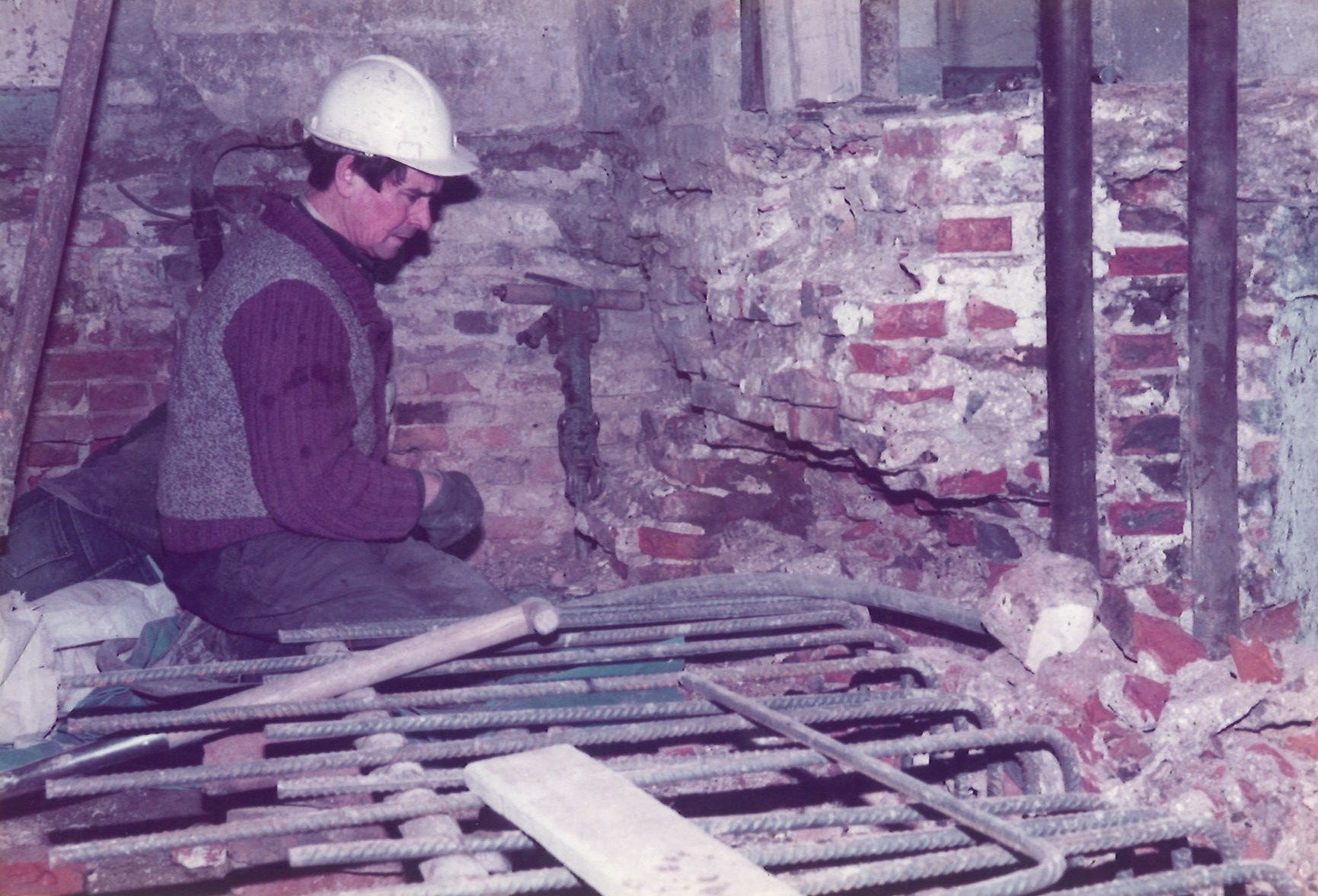
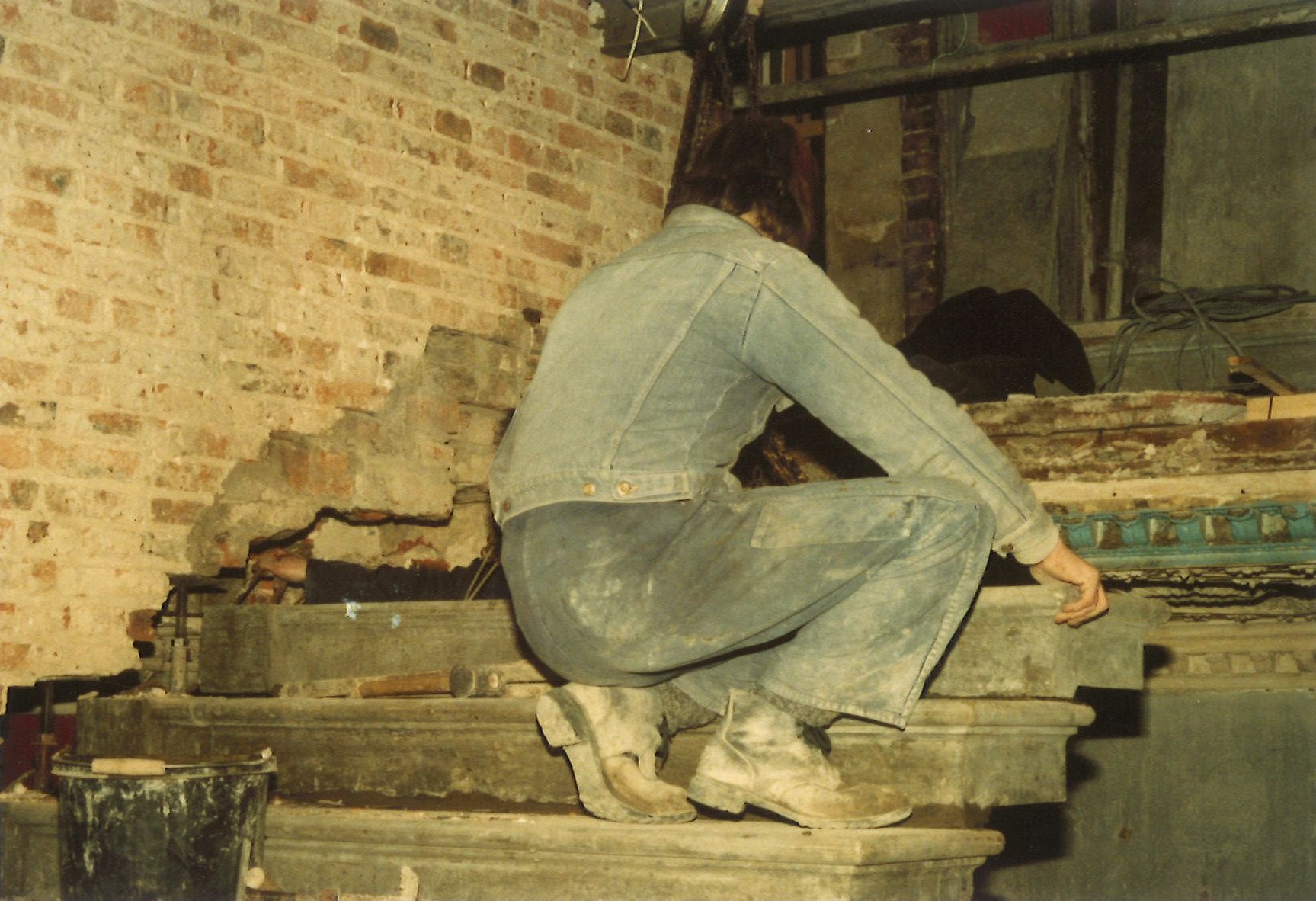
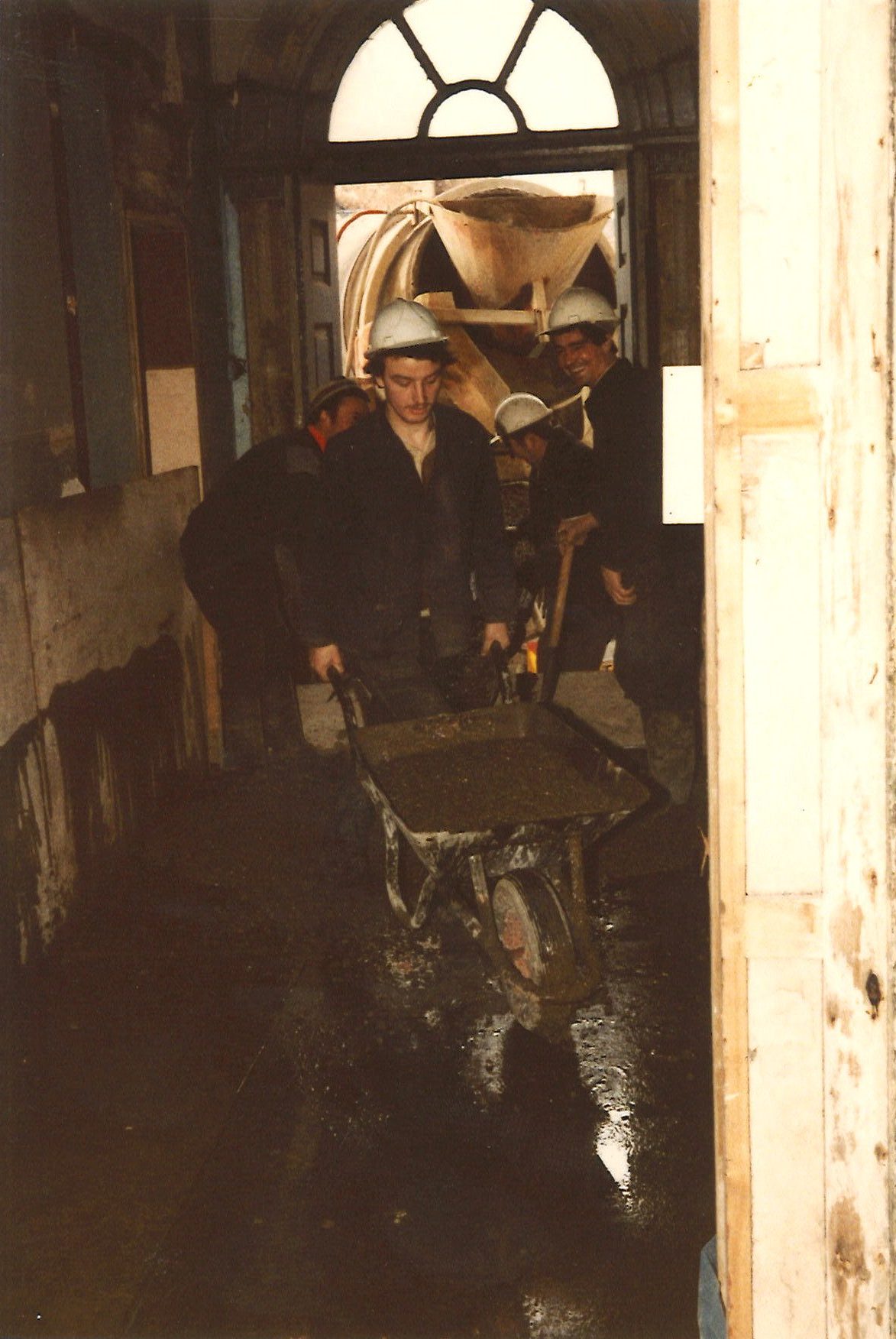
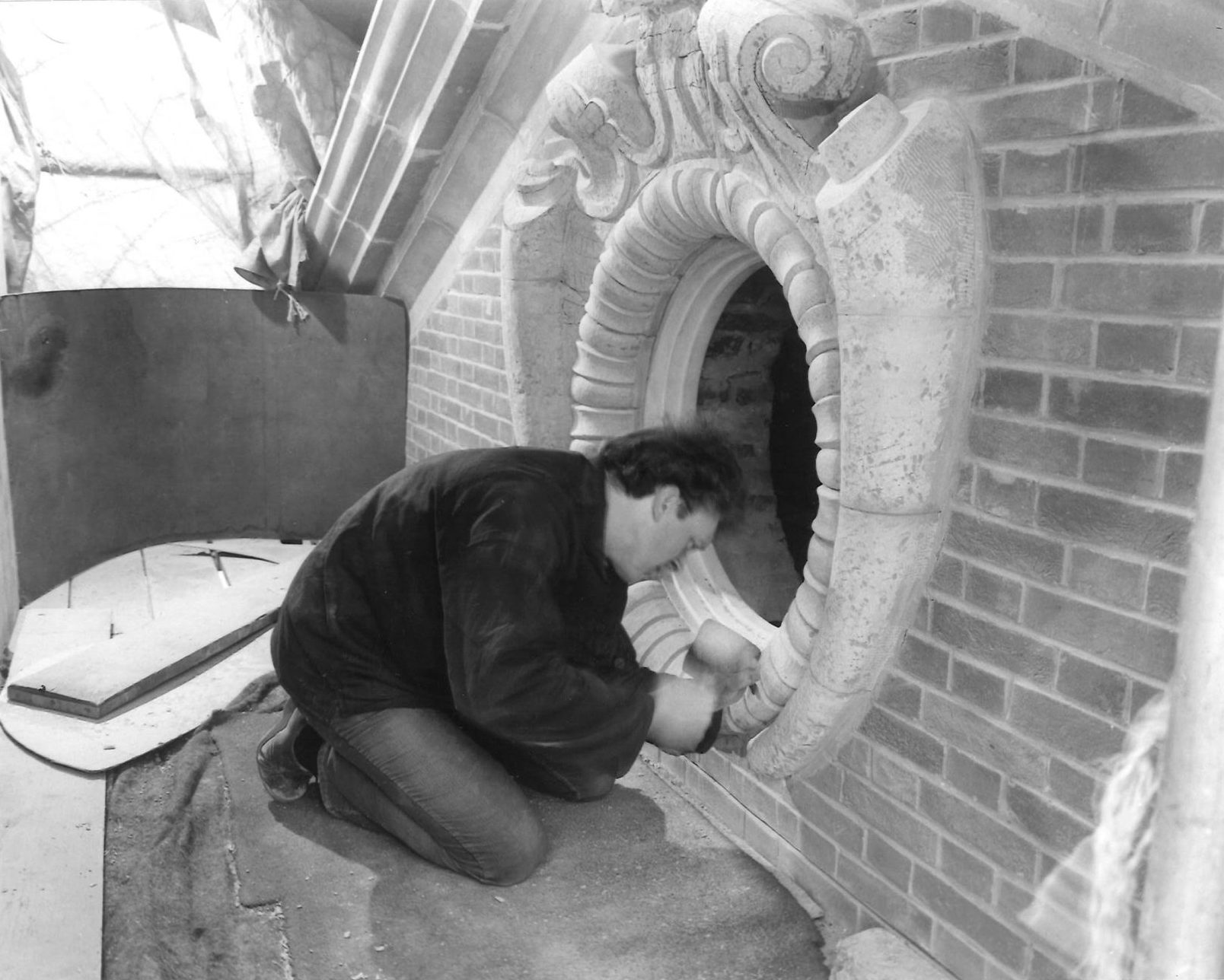
The painstaking restoration work was led by the late architect Francis Johnson F.R.I.B.A , who sourced the most skilled craftsmen in the York area and finally the house opened to the public in November 1984.
If only the walls behind this façade could speak, they would tell us the tale of the solitary Anne, only surviving child of Viscount Fairfax of Gilling, who the house was originally created for in 1760. We would hear the gossiping of the maids in the kitchen or the repetitive reciting of the rosary and litanies in the bedroom of the devoted catholic Viscount. We could visualise the queue at the ticket door of the George’s Cinema or imagine young people laughing whilst learning the hottest dance move in the ballroom upstairs.
Dr. Evelyn, an early York conservationist and recorder of York’s heritage, wrote to the cinema company asking them to ‘please take care of the interiors’ and, on the whole, they responded to the challenge. They boxed in, rather than stripped out, and painted over the ceiling and woodwork in dark gloss paint. In a curious way, this helped to protect the decorative details from damage.
St. George’s Hall, as it became known, was part of a thriving movement of popular entertainment in York in the 1920s and, by 1925, they were proudly advertising as ‘the largest, most comfortable and most up-to-date in York’.
Four decades on and the cinema company was in financial trouble and eventually was able to sell the building to the City Council. The dancehall on the first floor, however, was still in operation until 1980, and continued to play host to many of the famous and nearly famous.
In 1980 the then Chairman of the York Civic Trust, John Shannon, wrote to the City Council asking if the Trust might take on the restoration of the building. A successful track-record of restoring other historic buildings proved decisive, although the process of acquisition was not without its problems.
The gift of the Noel Terry collection of English furniture and clocks was also crucial to the success of the project, as was the appointment of the Bridlington architect Francis Johnson.
The York firm of William Birch & Son were the main contractors, with joinery by Hare & Ransome, decoration by Bellerbys Ltd, leadwork and stonework by W.M. Anelay Ltd., roofing by Joseph Hargraves, carved woodwork by Dick Reid, stucco repair by Leonard Stead & Son Ltd., and wrought iron by Mooorside Wrought Iron of Kirbymoorside.
The painstaking restoration work was led by the late architect Francis Johnson F.R.I.B.A , who sourced the most skilled craftsmen in the York area and finally the house opened to the public in November 1984.
If only the walls behind this façade could speak, they would tell us the tale of the solitary Anne, only surviving child of Viscount Fairfax of Gilling, who the house was originally created for in 1760. We would hear the gossiping of the maids in the kitchen or the repetitive reciting of the rosary and litanies in the bedroom of the devoted catholic Viscount. We could visualise the queue at the ticket door of the George’s Cinema or imagine young people laughing whilst learning the hottest dance move in the ballroom upstairs.